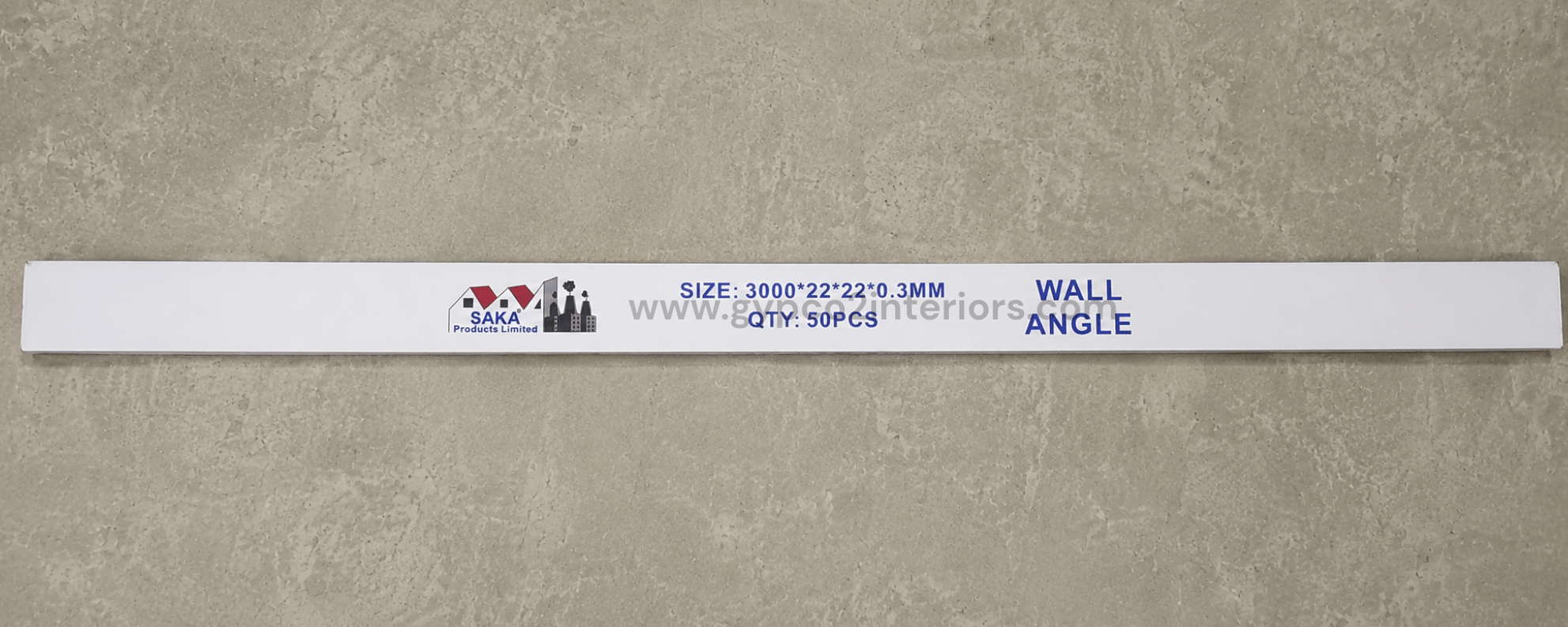
Angle Line, also known as Angle Wall, is an essential perimeter profile used in suspended acoustic ceiling systems. It is installed around the walls to create a firm boundary and provide support for the edges of acoustic ceiling tiles. The profile helps establish a straight and level ceiling line before the rest of the suspension framework is installed.
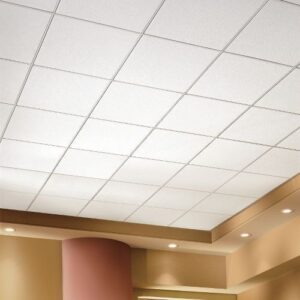
For offices, schools, hospitals, commercial buildings, and modern homes, a properly installed acoustic ceiling needs a stable perimeter. The Angle Wall provides this foundation. It works together with the ceiling grid, main tees, cross tees, suspension wires, and acoustic ceiling tiles to create a complete suspended ceiling system.
During installation, the Angle Line is fixed around the room at the required ceiling height. The installer first establishes the correct level, then securely fixes the profile to the walls using suitable anchors and fasteners. The ceiling grid is then connected to the perimeter profile. This creates a clean and consistent edge around the room.
One of the main benefits of using Angle Wall is improved alignment. A poorly positioned perimeter profile can result in uneven ceiling edges and an untidy finish. Proper installation keeps the acoustic ceiling straight and gives the entire system a professional appearance.
Angle Line also helps support the cut edges of acoustic ceiling tiles around the perimeter. This is particularly important where full tiles cannot fit and some panels need to be cut to size. The profile provides a neat finishing point between the ceiling and the wall.
The profile is designed for use with suspended acoustic ceiling systems and is suitable for projects where appearance, acoustic performance, and easy maintenance are important. It can be used in offices, boardrooms, classrooms, retail spaces, healthcare facilities, hotels, and other commercial interiors.
When purchasing materials for an acoustic ceiling, do not focus only on the ceiling tiles. Components such as Angle Wall, main channels, cross tees, suspension wires, and appropriate fasteners all contribute to the stability and final appearance of the system.
Choosing the correct Angle Line and installing it accurately helps create a level, secure, and professionally finished acoustic ceiling. It is a small component, but leaving it out or using the wrong profile can affect the entire ceiling system.